
Are you noticing that your humidor isn’t maintaining the humidity levels you need? Are you frustrated trying to figure out why? Don’t worry; it happens to everyone!
In this blog post, we’ll go over common reasons why a humidor might lose its humidity and how you can fix it.
Table Of Contents
−- Is Your Humidor Not Holding Humidity?
- How Humidors Work
- Common Causes of Low Humidity
- 1. Avoid Storing in Direct Sunlight and Heat Sources
- 2. Check Humidor Seal
- 3. Check Humidification System Settings
- 4. Monitor Temperature and Relative Humidity Levels
- 5. Inspect Packages of Humidification Products
- 6. Check for Stale Air in the Humidor
- 7. Dry Cigars Detract from Humidity
- 8. Colder Weather Causes Lower Humidity
- How to Test for Low Humidity
- Maintaining the Right Humidity Levels
- Properly Storing Cigars
- Conclusion
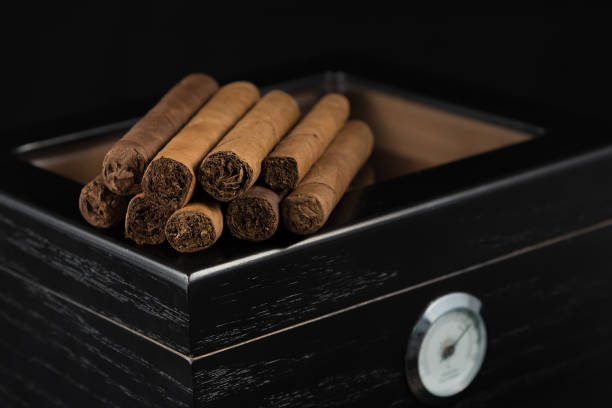
Is Your Humidor Not Holding Humidity?
If you suspect that your humidor is not holding humidity, there are several things you can check. First, make sure that the humidifier is functioning properly. It may be malfunctioning or simply not getting enough airflow.
Additionally, avoid leaving the door open for too long, as this can cause humidity levels to drop. If all else fails, double the number of Boveda in your humidor to compensate for a leaky seal. Boveda will never over-humidify your cigars, so rest assured that your cigars will stay safe and fresh.
How Humidors Work
Humidors are essential for storing cigars, as they help to maintain the perfect humidity levels to keep them fresh and flavorful. A humidor works by using a hygrometer to measure the relative humidity of the air inside.
The humidor also contains a humidifier, which is used to introduce moisture into the air, and absorbent materials like cedar wood or Spanish cedar, which help to regulate the humidity levels. Properly storing cigars in a humidor will keep them in good condition, preventing them from drying out or becoming too moist.
With proper maintenance and regular checking of the humidity levels, a humidor can provide years of cigar storage.
Common Causes of Low Humidity
Low humidity in a humidor can be caused by various factors, from a malfunctioning humidifier to leaving the door open for too long. Wooden humidors, the most common type, are particularly vulnerable to heat, air conditioning, interior lighting, and sunlight damage.
1. Avoid Storing in Direct Sunlight and Heat Sources
Storing your humidor in direct sunlight or near a heat source can cause various issues. Not only can it cause the temperature in your humidor to rise, leading to too much humidity, but it can also strain the device’s ability to regulate moisture levels.
The effects can be even worse if the humidity levels in the humidor are already low. Sunlight and heat sources can cause cigars to rot and encourage the growth of cigar beetles, potentially destroying your entire collection.
To ensure your cigars remain safe and at ideal humidity levels, keeping your humidor in a cool and dry place, away from direct sunlight and heat sources, is best.
2. Check Humidor Seal
Checking the seal on your humidor is important to ensure that it maintains the correct humidity levels. A faulty seal can allow humidity to escape, resulting in dry cigars. To check the seal, you can perform a flashlight test by shining a light along the crack between the lid and the body of the humidor. If any light can be seen through the seal, it is likely too loose and needs to be replaced.
Additionally, you can also try the dollar bill test. If you can slide a dollar bill between the lid and the body of your humidor, it is likely that your seal is not airtight and needs to be replaced. By ensuring that your humidor has an airtight seal, you are more likely to maintain an optimal humidity level for storing cigars.
3. Check Humidification System Settings
Maintaining the right humidity level in your cigar humidor is essential for preserving the flavor and texture of your cigars. One way to ensure this is to check the settings of your humidification system.
If the decrease in humidity occurs after a long time of usage, it might be the case that the humidifier is defective. This can happen if the humidifier is not functioning properly or if its evaporation surface is too small relative to the size of the humidor.
To avoid this issue, it’s important to select a humidifier designed for your specific humidor and ensure it’s set up correctly. Additionally, when using tap water, it’s important to pay attention to minerals and other impurities in the water, which can have a detrimental effect on the humidity levels in your humidor.
Ensure that the humidifier is filled with enough distilled water and that you use the right size for your humidor. If you’re using beads or a digital hygrometer, make sure they’re placed correctly and calibrated correctly.
You may also want to consider installing an electronic humidifier for better accuracy and greater control over humidity levels. By setting up your humidification system correctly and closely monitoring it, you can ensure that your cigars stay at the perfect humidity level and remain flavorful and enjoyable for years to come.
4. Monitor Temperature and Relative Humidity Levels
Monitor both your humidor’s temperature and relative humidity levels. Using a digital hygrometer, you can accurately measure the humidity in your humidor and ensure it stays within the recommended levels. You should also keep an eye on the temperature, as fluctuations in either one can affect the other. Regularly checking both temperature and relative humidity levels will help you ensure that your cigars remain in good condition for as long as possible.
5. Inspect Packages of Humidification Products
It is important to check the packages of humidification products you use in your humidor. Over time, the components of the product can break down and become less effective. To ensure that your humidifier is working properly, inspect the package for any signs of damage or deterioration.
You should also ensure that the product contains enough water to keep your humidity levels in check. If the product no longer provides adequate moisture, it may be time to replace it with a new one.
6. Check for Stale Air in the Humidor
Checking for stale air in your humidor is important in maintaining the ideal humidity level. The atmosphere inside a cigar box can become stale if left, as air does not easily escape and enter a good humidor.
To prevent this, ensure that your humidor is properly sealed and that there are no gaps where air can escape. Additionally, you should open the lid to your humidor at least once a week to air it out and replenish the oxygen inside. This will help keep the cigars inside fresh and full of flavor while maintaining the right humidity levels in your humidor.
7. Dry Cigars Detract from Humidity
Cigars are hygroscopic, meaning they absorb and retain moisture from their environment. This means that when dry cigars are placed in a humidor, the humidity of the humidor is reduced as the cigars pull humidity from it.
8. Colder Weather Causes Lower Humidity
Colder weather can cause a decrease in humidity levels in your humidor. Cold air is naturally dry and doesn’t hold as much moisture as warm air, so the colder it gets outside, the lower the relative humidity inside your humidor will be. Lowering your humidor’s temperature can help keep the relative humidity at an optimum level.
Still, it is important to monitor the levels to ensure that you are not over-humidifying and causing your cigars to become damp and lose flavor. To maintain a good level of humidity during winter months, consider investing in a humidification system that can be adjusted to fit the changing temperatures and keep your cigars fresh and flavourful.
How to Test for Low Humidity
Testing for low humidity levels in a humidor is relatively simple. The most accurate test method is a hygrometer, which measures relative humidity and temperature. Place the hygrometer inside the humidor and leave it for 24 hours.
After 24 hours, read the results of the hygrometer and compare it to the ideal range of 60-70% RH. If the results are lower than this range, you know your humidor suffers from low humidity levels.
You can also use a cigar to test for humidity levels by rolling it between your fingers. If it feels dry or brittle, your humidor will likely suffer from low humidity.
Maintaining the Right Humidity Levels
Maintaining the right humidity level is essential for the optimal storage of your cigars. The ideal range for a humidor is between 65-70%. To ensure this, you should invest in a reliable hygrometer to monitor the humidity levels.
Using Boveda Packs for Humidity Control
Using Boveda packs is a great way to maintain your humidor’s humidity levels. These packs are filled with a special salt solution that absorbs or releases moisture to maintain the ideal relative humidity level. This makes them perfect for maintaining the ideal environment for preserving cigars.
Plus, they’re super easy to use and require no maintenance whatsoever. All you have to do is place the Boveda pack inside your humidor, and it will maintain the proper humidity levels. With Boveda packs, you can rest assured that your cigars will stay at their peak flavor and freshness for years to come.
Using Propylene Glycol Solution
Propylene Glycol is a great solution for keeping your cigars in ideal conditions. It can be used to help maintain the right humidity levels in your humidor, as well as prevent mold and bacteria from forming. It works by forming a thin protective layer on the surface of the humidifier, which helps control the amount of moisture in the air.
However, it’s important to use it correctly, as it can cause your cigars to expand or contract too quickly when the moisture levels change. With proper use and monitoring of humidity levels, Propylene Glycol can help protect your cigars from drying out or becoming too moist.
Preventing Leaks and Maintaining Quality
Maintaining quality and preventing leaks in humidors is essential for preserving the freshness of cigars. To ensure that your cigars remain in good condition, check for any signs of leakage or deterioration. One way to do this is to inspect the humidor’s seal for any gaps or tears.
Additionally, you should examine the humidifier, hygrometer, and other components for signs of wear and tear. If any of these components are damaged or not functioning correctly, it can decrease humidity levels and ultimately damage your cigars.
It is also important to ensure that your humidor is stored in a cool, dry place away from direct sunlight and other heat sources. Doing this will help maintain the humidity levels within the humidor and keep your cigars in prime condition.
Clean the Humidor Regularly
Regularly cleaning your humidor is essential to maintain the ideal humidity level. To do this, it is important to make sure that any debris or dust is removed. This can be done by wiping the humidor’s interior with a soft cloth and warm water.
Also, check your humidifier for any signs of residue or build-up, which can disrupt the humidification process and cause low humidity levels. Doing this once a month can help keep your humidor in top condition and ensure optimal humidity for your cigars.
Properly Storing Cigars
Storing cigars properly is essential to ensure they stay fresh and flavorful. Cigars must be kept in a humidor lined with Spanish cedar, which helps maintain the desired humidity level. Cigars should be kept at a relative humidity between 65-70%, and the temperature should be between 70-73 degrees Fahrenheit.
To ensure optimal humidity and temperature, the humidor should be placed in an area that does not receive direct sunlight or too much heat or cold. It is also important to ensure that the cigars are not exposed to direct light, as this can cause them to dry out and become brittle.
Also, place the cigars in an even layer on the bottom of the humidor rather than stacking them on top. If you use a tray, ensure it’s not too close to the humidifier, which can lead to varying humidity levels.
To ensure proper storage, it is best to check the humidity levels regularly with a hygrometer and refill the humidifier if necessary.
Conclusion
In conclusion, having the right humidity levels in a humidor is essential to store cigars properly. It is important to test your humidor regularly and take the necessary steps to maintain the ideal humidity levels. Using a Boveda pack or a propylene glycol solution can help you maintain the desired humidity levels in your humidor. Additionally, preventing leaks and maintaining the quality of your cigars can help you get the most out of your smoking experience. Taking proper care of your humidor will ensure that it continues storing cigars properly for years to come.

jay
Self proclaimed cigar expert. I've been smoking since 2010. I've practically lived at a cigar lounge from 10am to 10pm and trying every new cigar that came out for years.
